Backed by Y Combinator
We make the best open models faster and cheaper to run, for everyone.
Access to intelligence should not depend on who can pay for it. We serve frontier open models through Wally, one API key and one CLI. Under it, our AI agents build the kernels and the full serving stack, so every model can run faster and cost less.
Copy this into your agent
What we build
Run open models in the cloud with Wally, or on your own devices with our open-source SDKs.
Our product
Wally
Frontier open models behind one OpenAI-compatible API, and a CLI that connects your coding agent to them in one command.
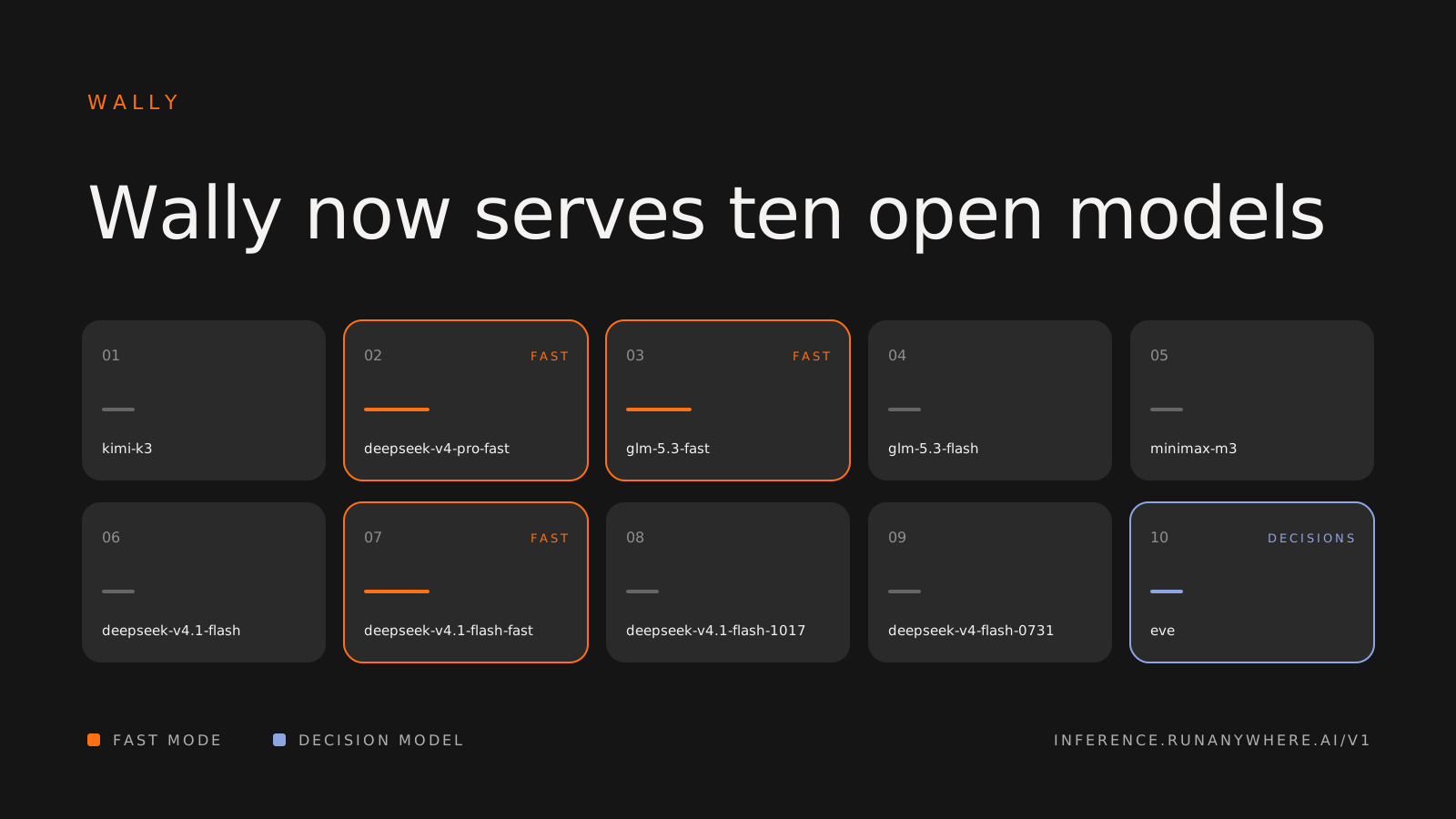
- Ten models in the catalog, with fast versions for agent loops
- Works with OpenCode, Claude Code, Codex and more
- Zero data retention by default
Research
Inference engines
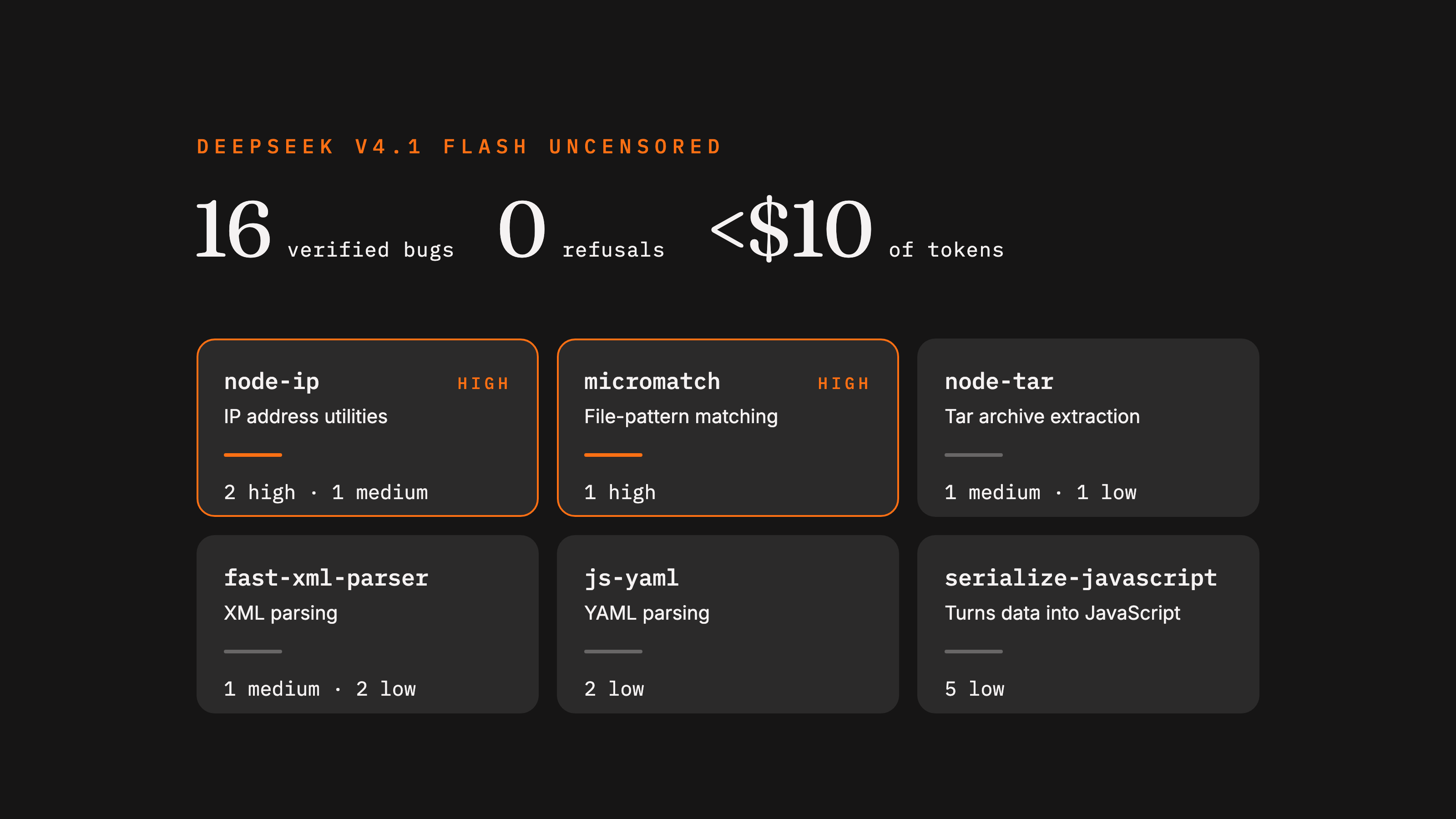
Our AI agents build the kernels that make a chip fast for a model and check each one on the hardware: NeuRT for the Apple Neural Engine and QHexRT for Qualcomm Hexagon NPUs. Every result is published with its method.
Read the resultsOpen source, on-device
RunAnywhere SDKs
Run models on the devices your users already hold. One C++ core with six SDKs for Swift, Kotlin, React Native, Flutter, TypeScript and C++, open source and maintained.
Explore the SDKsWorks with
The agents and platforms you already use.
Wally sets up your coding agent in one command, and platforms reach the same models through the Wally Cloud API.
Coding agents, through the Wally CLI
Platforms, through the Wally Cloud API
How it fits together
A request, from your agent to the model and back.
- 01
Your app or agent sends a request
Use the OpenAI SDK you already have, pointed at inference.runanywhere.ai/v1, or run wally opencode --cloud to put your coding agent on a hosted model.
- 02
Wally takes it
One API key and one endpoint for every model in the catalog. Usage is paid from prepaid credits you buy in the console.
- 03
An engine runs the model
Wally sends the request to an engine serving that model. Fast versions of a model run on capacity tuned for speed, for agent loops and anything a user waits on.
- 04
Tokens stream back
The reply streams back as the model writes it. Wally does not store your prompt or the reply.
Our mission
Access to intelligence is a fundamental human right. We exist to make it universal.
In practice that means faster, cheaper inference. The best open models should be fast, affordable and one line of code away for anyone who builds with them, wherever they are.
Every time a model gets faster and a token gets cheaper, more people can build with intelligence. So we host those models well, and our AI agents build the kernels and the serving stack under them, because that is where speed and cost are decided.
From the lab